

Best Athletic Gear for Intense Workouts: 2026 Picks
Table of Contents
- What Separates Real Athletic Gear From Gym Clothes
- Quick Comparison: Best Athletic Gear for Intense Workouts
- The Best Workout Clothes for HIIT and Conditioning Days
- Best Activewear for Strength Training and Heavy Lifting
- Best Sports Bras for High-Impact Exercise
- Why Moisture-Wicking Workout Clothes Matter More Than You Think
- Fit Tests, Care, and Cost Per Wear
- Frequently Asked Questions
Last Updated: October 18, 2026
What Separates Real Athletic Gear From Gym Clothes
Real athletic gear for intense workouts does three jobs: moves sweat off your skin, lets your joints travel through a full range of motion, and holds up to repeated washing without losing shape. Gym clothes look the part; performance apparel does the work.
At Warrior Wearables, the difference shows in the fabric blend and seam construction. A cotton tee soaks up sweat and stays heavy; a polyester knit with a quick-dry finish pushes moisture outward so it evaporates.
The American Council on Exercise guide to workout clothing makes a related point: breathability and moisture-wicking fabrics matter more than style when you are training hard.
Quick Comparison: Best Athletic Gear for Intense Workouts
Here is the short version. Every pick below comes from our own catalog, with the price you will actually pay.
| Product | Price | Best For | Key Spec |
|---|---|---|---|
| 40lb Adjustable Weighted Vest | $149.99 | Scaling resistance | Adjusts up to 40 lb |
| Weighted Vest With Included Weights | $60.99 | Budget resistance | 12-30 lb included |
| MMA Gloves and Martial Arts Mitts | $45.99 | Boxing and bag work | 12 oz knit polyester |
| Power Tower Pull Up Bar Dip Station | $141.99 | Home strength | Supports up to 440.92 lb |
| Women's Compression Sports Tights | $30.99 | Running and training | 90% polyester, 10% elastane |
| Long Sleeve Compression Top | $31.99 | Lifting and intervals | Polyamide, four-way stretch |
| Quick Dry Compression T-Shirt | $21.99 | Warmups and cooldowns | Polyester knit, quick-dry |
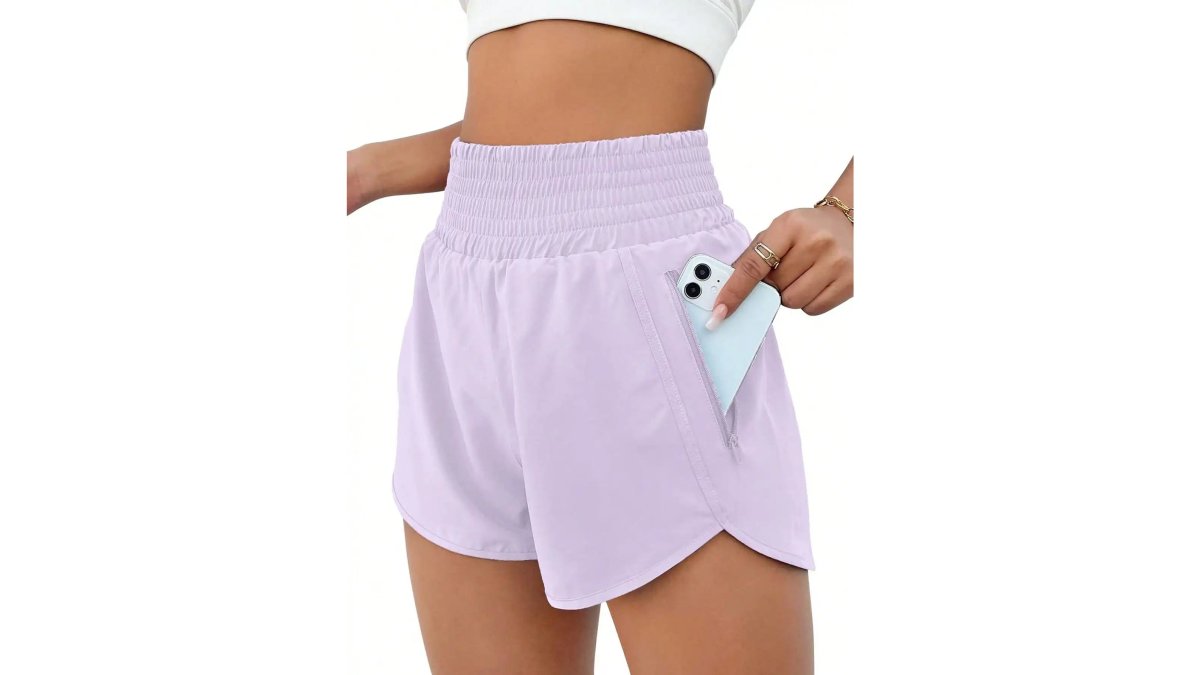
| High Waist Running Shorts | $21.99 | Running and aerobics | Two fixed side pockets |
| Breathable Mesh Running Sneakers | $38.99 | Road running | EVA shock-absorbing insole |
| Basketball Socks | $32.99 | Court and gym | Towel bottom, ankle support |
The Best Workout Clothes for HIIT and Conditioning Days
HIIT punishes the wrong fabric.

Our pick for women is the Quick Dry Compression T-Shirt at $21.99: a polyester knit that moves with you without cling or heaviness, cut true to size for a consistent fit on reorder.
For men, the Quick Dry Compression T Shirt works the same way: quick-dry polyester, no cling, no heaviness through intervals.

Best Activewear for Strength Training and Heavy Lifting
Lifting rewards coverage and feedback, not ventilation. The best activewear for strength training protects your skin from bar and rack contact while giving you a sense of where your joints are under load.
The The Gym People Long Sleeve Compression Top at $31.99 is our top pick. The polyamide build resists abrasion, anatomical compression contours support proprioception, and the long sleeves defend skin against rack friction.
For lower body work, the Women's Compression Sports Tights at $30.99 use a 90% polyester, 10% elastane blend that stays smooth and light. They run small, so check the size chart before ordering.
Best Sports Bras for High-Impact Exercise
Support is the whole job. A sports bra for high-impact exercise needs a snug band, controlled bounce, and fabric that does not stretch out after a month of washing. Bounce control is a construction problem, not a style problem, here is how to judge it before you buy.
How high-impact support actually works
Three structures do the work, and you can check each one on the garment:
- The band. Roughly 70-80% of bounce control comes from the underband, not the straps. A band should sit flat against your ribcage, stay level front to back, and pass the two-finger test, you can slide two fingers under it, but not a fist. If the band rides up when you raise your arms, it is too loose to control vertical motion.
- Encapsulation versus compression. Compression bras flatten the chest and suit roughly A through C cups. Encapsulation bras put each breast in its own molded cup and control motion in multiple directions, making them the better choice for larger cup sizes and for running, jumping, and plyometrics. Many high-impact bras combine both: molded cups inside a compression frame.
- Strap geometry. Wide, adjustable straps distribute load across the shoulder blades; thin fixed straps concentrate pressure and let the band migrate. Racerback and cross-back designs keep straps from sliding during overhead work but can dig into the trapezius on long sessions, try before you commit if you carry tension there.
The bounce test you can run in the fitting room
Before you buy, do this in the store or at home with the tags on:
- Jump test. Do 10 small two-foot hops. If the band lifts off your ribs or the straps slide, the fit is wrong regardless of the label size.
- Reach test. Raise both arms overhead and rotate your torso. The band should stay put and the cups should not gap away from your chest.
- Bend test. Bend forward at the waist. If the neckline gaps open, the bra will not contain you during floor work or burpees.
- Recovery check. Stretch the band gently and release. A polyester and elastane blend snaps back; an all-cotton bra stays stretched. That recovery is what keeps support intact after 30-plus washes.
Fabric and care
A polyester and elastane blend recovers its shape and dries quickly; all-cotton absorbs sweat, stays heavy, and loses elasticity. Wash cold, skip fabric softener (it coats the elastic), and hang dry, dryer heat is the fastest way to kill a band.
For layering over a bra on high-impact days, the Quick Dry Compression T-Shirt at $21.99 adds a smooth outer layer without bulk. The polyester knit stays light when wet and does not cling through intervals.
Why Moisture-Wicking Workout Clothes Matter More Than You Think
Moisture-wicking workout clothes matter because wet fabric against skin causes chafing, traps heat, and holds odor. Wicking moves sweat to the fabric surface where it evaporates, so you stay drier and cooler. But that does not tell you which garment to buy, so here are the fabric properties that actually decide comfort, using criteria you can check yourself.
The four fabric properties that decide performance
1. Moisture transport versus moisture absorption. Polyester and polyamide fibers are hydrophobic, they push liquid along the fiber to the outer surface, where airflow evaporates it.
40lb Adjustable Weighted Vest For Men And Women Fitness Training →
2. Drying time. Drying speed depends on fiber and knit weight. A thin polyester knit dries in a fraction of the time a heavy cotton or cotton-blend knit does.
3. Stretch and recovery. Four-way stretch lets a garment move with you; recovery makes it snap back. Elastane content (often 10% in compression pieces) provides recovery.
**4.
How to compare two garments before you buy
| Property | What to check | Why it matters |
|---|---|---|
| Fiber content | Label fiber percentages | Polyester and polyamide wick; cotton absorbs |
| Knit weight | Hold it up to light | Lighter knits vent and dry faster |
| Stretch recovery | Stretch and release a seam | Poor recovery means bagging and lost compression |
| Ventilation | Look for mesh or vent panels | Targeted airflow where you sweat most |
| Seam construction | Flatlock or bonded seams | Fewer ridges means less chafing |
This is where cheap gear fails. A fabric can claim wicking and still cling, because knit structure matters as much as fiber. Look for a knit that stays smooth against skin, like the polyester knit in our Quick Dry Compression T-Shirt at $21.99 or the blend in our Compression Sports Tights at $30.99 (90% polyester, 10% elastane).
FTC guidance on textile labeling and fiber content requires accurate fiber disclosure on clothing labels, so you can verify what you are buying before it arrives, and compare two garments on the same terms.
Fit Tests, Care, and Cost Per Wear
Fit and care decide whether gear lasts one season or three. Run these three tests before you commit.
The movement test. Squat, reach overhead, and rotate your torso. If the waistband rolls or the shoulder pulls, size or cut is wrong.
The sweat test. Wear it for one hard session before you buy a second color.
The wash test. Wash cold, hang dry, and check the seams.
Cost per wear is the honest metric. A $21.99 quick-dry tee worn three times a week for a year costs pennies per session.
| Problem | Fix | Impact |
|---|---|---|
| Waistband rolls during squats | Try a drawstring waist | Stays put through floor work |
| Fabric clings when sweaty | Switch to a smooth knit | Less chafing, faster dry |
| Seams fray after washing | Wash cold, hang dry | Longer wear life |
| Gear feels heavy mid-session | Choose polyester over cotton | Stays light when wet |
REI's guide to caring for technical fabrics recommends avoiding fabric softener on performance pieces, since it coats the fibers and reduces wicking.
For resistance work, the 40lb Adjustable Weighted Vest at $149.99 scales load as you progress, and the Weighted Vest With Included Weights at $60.99 covers the budget end with 12-30 lb included.

Frequently Asked Questions
What features should I look for in athletic gear for intense training?
Prioritize four things: a fabric blend that moves sweat off your skin (polyester and elastane blends are common), flatlock or bonded seams to cut chafing, four-way stretch so your range of motion stays open, and a fit that stays put without pinching. For lifting, compression tops with anatomical contours help you feel your position. For HIIT, breathable knits and loose shorts with a drawstring keep you cooler. Check care labels too, since durability and cost per wear depend on how the piece holds up after repeated washes.
Are compression clothes good for intense workouts?
Yes, for the right sessions. Compression tops and tights apply steady pressure that can reduce muscle vibration and make it easier to track your form during lifts and interval circuits. Look for four-way stretch and shape retention so the garment keeps its fit after washing. Compression is less useful for long outdoor runs in heat, where breathability matters more than pressure. A practical approach is compression for strength training and short high-output circuits, and lighter moisture-wicking knits for longer cardio.
How should moisture-wicking workout clothes fit?
Snug but not restrictive. The fabric should sit close enough to pull sweat away from your skin, yet you should be able to raise your arms overhead, squat, and rotate your torso without the hem riding up or the shoulders pulling. Check the size chart rather than guessing: some compression tights run smaller than usual, so measure your waist and hips first. If a top bunches at the waist or the sleeves dig into your arms, size up. A proper fit is the difference between gear you forget about and gear you fight mid-set.
How often should you replace workout clothes?
Replace pieces when the elastic stops recovering, seams start to fray, or the fabric stays damp and holds odor after washing. For gear used three to four times a week, that often lands somewhere between 12 and 18 months, though care habits matter more than the calendar. Wash cold, skip fabric softener (it clogs wicking fibers), and air dry when you can. Tracking cost per wear makes the decision easier: a $31.99 compression top worn twice a week for a year costs about $0.31 per session.
Do I need special gear for HIIT versus strength training?
The two have different demands. HIIT involves jumping, direction changes, and heavy sweat, so breathable knits, secure waistbands, and shorts with pockets that do not ride up matter most. Strength training rewards compression that stabilizes muscle and long sleeves that protect skin from rack and bar contact. You can cover both with a small kit: a quick-dry compression tee, compression tights, high-waist shorts, and a supportive bra. Add a weighted vest when you want scalable resistance on cardio and conditioning days.